Summary
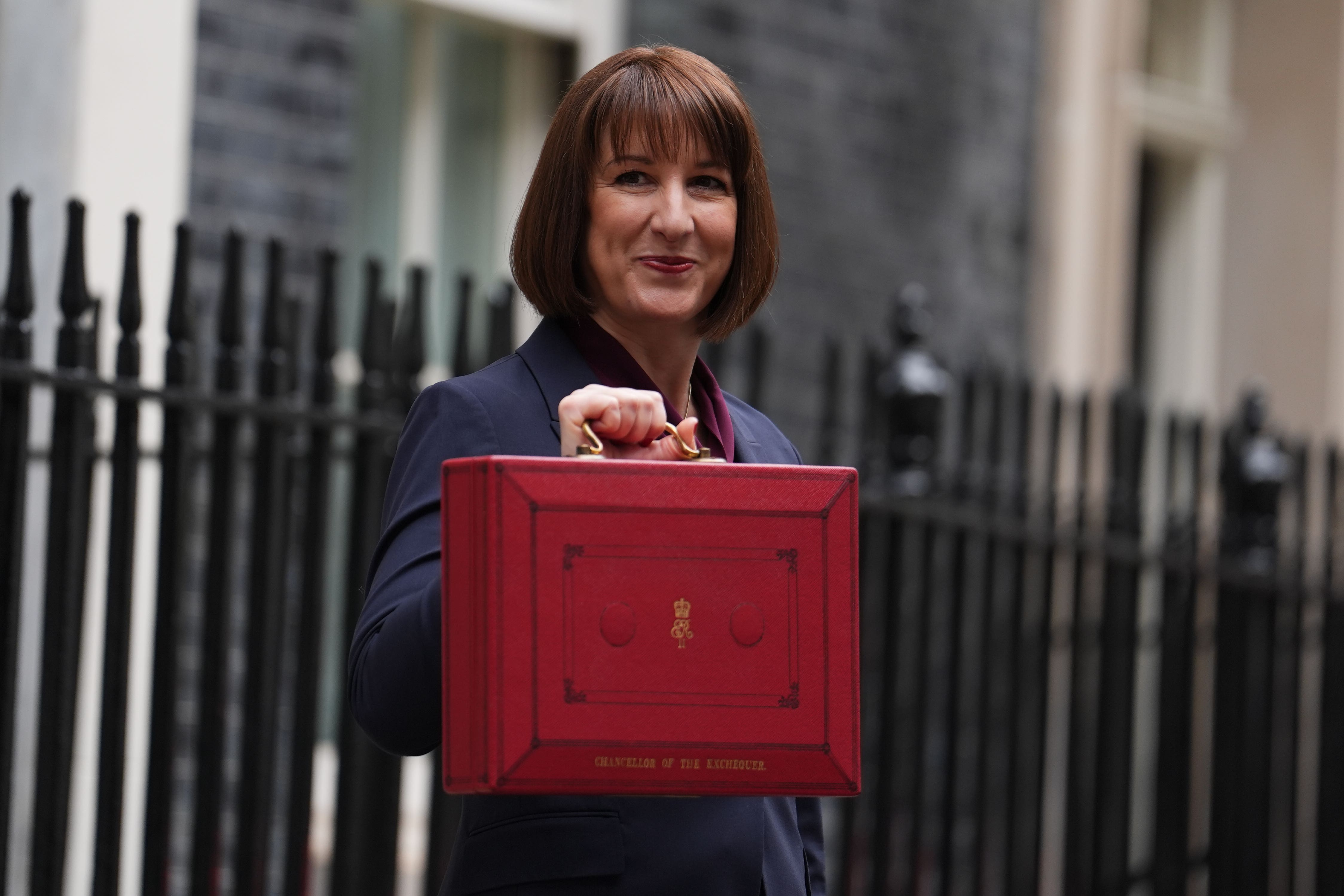
The latest Budget introduces no dramatic tax shifts, yet its quieter measures—particularly the continued freezing of inheritance tax thresholds—are already having a tangible impact on estate planning. Rising asset values, adjustments to pensions and changes to capital gains rules all influence how wealth will pass between generations.
Introduction
Estate planning has always relied on foresight, but this year’s Budget has made it even more important to keep plans under review. While high-profile tax changes were limited, several measures subtly reshape how estates will be assessed in future. These shifts often go unnoticed until they cause unexpected tax burdens, making early preparation essential.
Frozen Thresholds and Fiscal Drag
The inheritance tax nil-rate band remains at £325,000 and the residence nil-rate band at £175,000, both unchanged for many years. Although the numbers appear static, property and investment values continue to rise. This creates fiscal drag: as assets grow, estates drift into taxable territory without any deliberate change in personal wealth. Families who once sat comfortably below the threshold may now face inheritance tax simply because the value of their home has risen. This increasing pressure means more households must consider their estate position earlier than they might have expected.
Trusts and Lifetime Planning
Trusts play a continuing role in estate planning, particularly in an environment where thresholds remain frozen. While they do carry administrative requirements, they allow families to control how wealth is passed on, protect vulnerable beneficiaries and manage value over time. Recent Budgets have tended to tighten reporting obligations for trusts rather than overhaul them. That makes regular review especially important. Lifetime gifting also becomes more significant under these conditions. Annual exemptions, small gifts and larger transfers governed by the seven-year rule all offer opportunities to reduce the size of a taxable estate, provided they are planned appropriately.
Pension Adjustments and Legacy Planning
Historically, pensions were outside the inheritance tax net, making them a highly tax-efficient way to pass on wealth. However, from 6 April 2027, most unused pension funds and pension death benefits will be included in the estate for inheritance tax purposes. This means large pension pots could now push estates over the nil-rate band, creating a potential IHT liability. Death-in-service benefits and transfers to a surviving spouse or civil partner will remain largely protected, but for others, the tax advantage is being removed.
Capital Gains Tax and Asset Disposals
Changes to capital gains tax influence the timing and method of passing on assets. Individuals who plan to support younger generations by gifting property, shares or other investments may now need to think carefully about when to dispose of those assets. The interaction between CGT and inheritance tax has become more delicate. For many, the questions now include:
• whether a disposal should happen sooner rather than later
• whether holding assets until death may prove more tax-efficient
• whether restructuring investments could reduce future exposure
Understanding how CGT aligns with wider estate objectives helps avoid unnecessary costs.
Business Relief and Succession
Business owners face their own considerations. Reliefs such as Business Relief and Agricultural Relief remain vital for ensuring a tax-efficient transition between generations. Even small adjustments to qualifying conditions can change whether a business secures relief. Reviewing share structures, partnership arrangements and succession plans in light of the latest Budget helps reduce the risk of unexpected liabilities when ownership passes to the next generation.
Conclusion
Although the latest Budget may appear low-key, its impact on estate planning is far from modest. Frozen thresholds, rising asset values and incremental tax adjustments combine to create a more complex environment for families and business owners. Those who review their plans now—wills, pensions, trusts, gifting strategies and business arrangements—will be far better placed to pass on wealth efficiently and avoid unnecessary taxation. In estate planning, inactivity has become one of the costliest decisions of all.